
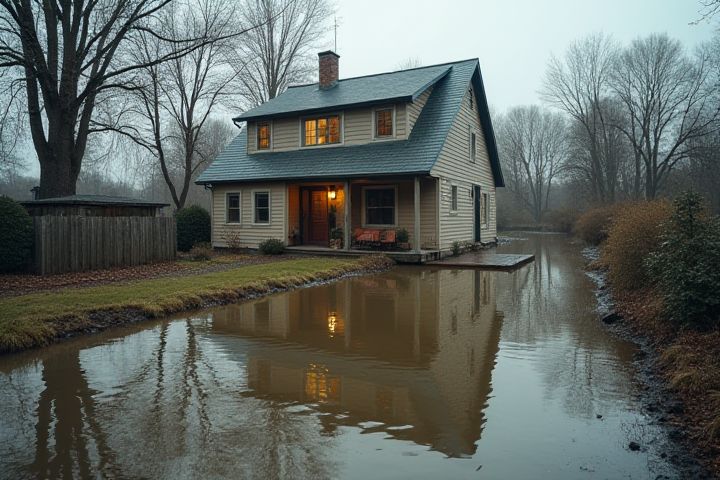
Designing a house to be invulnerable to flooding involves integrating various architectural and engineering strategies. Elevating the structure above potential flood levels is key; this often means placing it on pilings or elevated foundations to provide a buffer against rising waters. Utilizing flood-resistant materials like concrete, brick, and certain types of water-resistant wood can dramatically reduce damage in flood scenarios. Implementing effective drainage systems, such as French drains or sump pumps, ensures that water is directed away from the property. Lastly, strategically placed landscaping can help divert water flow away from the house, enhancing overall flood resilience.
Can A House Be Invulnerable To Flooding
Site Elevation
Site elevation is a critical factor in flood prevention, with homes built on elevated ground significantly reducing their risk of water damage. For optimal flood resistance, a minimum elevation of 1 to 3 feet above the base flood elevation (BFE) is recommended, depending on local flood zone maps. Implementing proper site grading can further divert water away from the foundation, enhancing protection against heavy rainfall and storm surges. By prioritizing site elevation, you can take essential steps to safeguard your home from potential flooding.
Water-Resistant Materials
Water-resistant materials play a crucial role in constructing homes designed to withstand flooding. Using materials like fiberglass, treated wood, and specific concrete mixes enhances the house's durability against water intrusion. Incorporating waterproof barriers, such as membranes and sealants, further protects critical areas like foundations and basements. By strategically selecting these materials and techniques, you can significantly increase your home's resilience to flood damage.
Foundation Design
A flood-resistant house often incorporates a robust foundation design that elevates the structure above potential floodwaters; effective techniques include building on piers, pilings, or raised platforms. For example, the Federal Emergency Management Agency (FEMA) recommends elevating a home to at least one foot above the base flood elevation. Moreover, reinforced concrete or steel materials can enhance stability and durability against water seepage and erosion, with a build quality that can withstand pressure from rising waters. Implementing these strategies not only maximizes safety but can also significantly reduce costly water damage repairs, ensuring long-term housing security.
Flood Barriers
Flood barriers are crucial in enhancing a house's resilience against flooding, providing a protective shield from rising water levels. These barriers can range from temporary solutions, such as inflatable models, to permanent structures made from concrete or steel. Proper installation and maintenance are essential, with research suggesting that models like levees and flood walls can reduce flood risk by up to 98% when deployed effectively. Investing in flood barriers is a proactive strategy for homeowners, particularly in flood-prone areas, ensuring peace of mind during severe weather events.
Drainage Systems
An effective drainage system is essential for making a house more resilient to flooding, especially in flood-prone areas. Installing a combination of French drains, sump pumps, and permeable surfaces can significantly reduce water accumulation around your property. Research indicates that homes equipped with advanced drainage solutions can lower flood risk by up to 90%. You should also consider proper grading and sloping of your yard to direct water away from your foundation, enhancing the overall flood management of your home.
Building Codes
Houses can achieve increased resilience to flooding by adhering to stringent building codes designed for flood-prone areas. Elevated foundations that raise the living spaces above the base flood elevation (BFE) as specified by the Federal Emergency Management Agency (FEMA) can significantly reduce flood risk. Additionally, incorporating flood-resistant materials, such as water-resistant insulation and concrete, aligns with the International Building Code (IBC) recommendations and enhances a home's durability. By implementing proper drainage systems and maintaining clear gutters, you can further protect your property from potential flooding challenges.
Landscaping
Landscaping plays a crucial role in enhancing a house's resilience against flooding. By incorporating elements such as rain gardens, permeable walkways, and strategically placed native plants, you can effectively manage rainwater runoff and promote absorption into the soil. Elevating garden beds and using mulch can further prevent soil erosion while allowing excess water to flow away from the foundation. Implementing these landscaping strategies not only safeguards your home from flooding but also creates a sustainable and aesthetically pleasing outdoor environment.
Elevated Utilities
Elevated utilities play a crucial role in making a house more resilient to flooding. By placing essential systems like electrical panels, heating units, and water heaters above potential flood levels, you minimize the risk of damage during inundation. This approach not only protects your property but also enhances safety, ensuring that you have access to critical utilities even in adverse conditions. Furthermore, investing in elevated utilities can positively impact your home insurance premiums, as insurers often recognize the reduced risk associated with flood-resistant designs.
Structural Reinforcements
A house can achieve considerable flood resistance through strategic structural reinforcements, which include elevated foundations, flood-resistant materials, and watertight barriers. Elevating the foundation at least 1 to 3 feet above the Base Flood Elevation (BFE) significantly reduces the risk of water intrusion. Incorporating materials such as concrete, masonry, and waterproof membranes enhances durability against prolonged exposure to moisture. Implementing design features like flood vents can also equalize water pressure, preventing structural damage and helping to keep your home safe during heavy rainfall or storm surges.
Regular Maintenance
Regular maintenance can significantly enhance a house's flood resistance. Keeping gutters and downspouts clear ensures proper drainage, preventing water accumulation near the foundation. Additionally, maintaining window wells, installing sump pumps, and inspecting seals around doors can effectively reduce water entry during heavy rains. By consistently checking and repairing these essential features, homeowners can minimize the risk of water damage and flooding in their properties.