
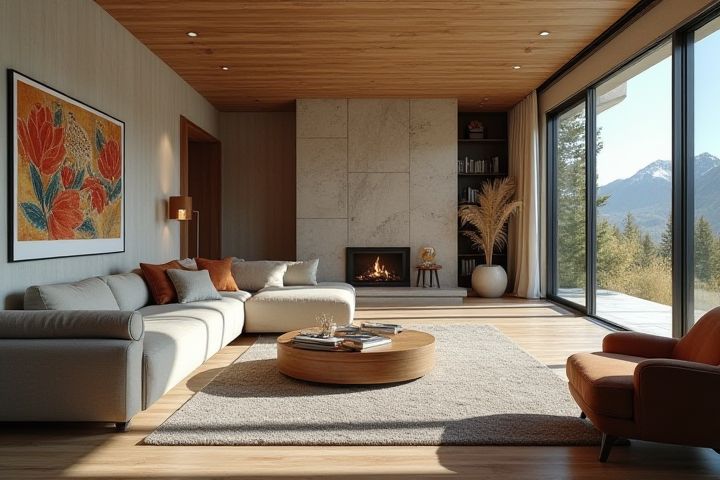
Designing your house involves a thoughtful approach to architecture and interior design. Begin by understanding your space requirements, considering factors such as the number of bedrooms, bathrooms, and common areas. Utilize architectural software to create floor plans that incorporate natural light, efficient layouts, and sustainable materials. Research local building regulations and zoning laws to ensure compliance with construction standards. Engaging with a professional designer or architect can further refine your vision, helping you balance aesthetics with functionality.
Can I Design My House
Building Codes
Designing your house with a focus on building codes is essential for safety, functionality, and legal compliance. Local building codes dictate requirements regarding structural integrity, electrical systems, plumbing, and energy efficiency, ensuring that your home is safe for occupancy. Identifying and understanding these regulations before starting your design will help you avoid costly modifications or delays during construction. You should also consider consulting with a professional architect or builder familiar with your area's codes to optimize your design and streamline the approval process.
Zoning Regulations
Zoning regulations play a crucial role in the design and construction of your house, dictating land use, building height, and setback requirements. For instance, residential zones typically allow single-family homes while prohibiting commercial structures, impacting your architectural choices. In many municipalities, maximum building heights can reach 35 feet, and minimum lot sizes may vary from 5,000 to 10,000 square feet. Understanding these regulations not only ensures compliance but also helps you maximize your property's potential and enhances your investment's long-term value.
Budget Allocation
Designing your house with a focus on budget allocation involves careful financial planning and resource management. Begin by determining your total budget and then allocate specific amounts for essential categories such as materials, labor, and permits. Emphasize cost-effective materials and energy-efficient solutions to reduce long-term expenses. By prioritizing your spending, you can create a well-designed, functional space that remains within your financial limits while reflecting your personal style.
Floor Plan Design
A well-thought-out floor plan design is crucial for maximizing utility and comfort in your home, as it influences the flow and functionality of your living spaces. Consider creating distinct zones for your daily activities, such as separate areas for relaxation, work, and socializing, while ensuring that natural light and ventilation are prioritized. It's beneficial to measure the dimensions of your rooms and furniture to create a scale drawing, allowing you to visualize spatial relations accurately. Incorporating elements such as open-concept layouts or multifunctional rooms can enhance the efficiency and aesthetic appeal of your design.
Structural Integrity
Designing your house with a primary focus on structural integrity involves choosing materials such as reinforced concrete or steel that withstand various stresses. Utilizing advanced engineering principles can enhance the stability of your structure, accommodating factors like load-bearing capacity and seismic resistance. Employing simulations and stress analysis during the planning phase ensures your design adheres to safety codes and regulatory standards. With a foundation that prioritizes strength, your home will be more resilient against natural disasters and long-term wear.
Energy Efficiency
Designing your house with a focus on energy efficiency can significantly reduce your utility bills and environmental impact. Incorporating energy-efficient appliances can cut energy consumption by up to 50%, while proper insulation can reduce heating and cooling costs by as much as 30%. Utilizing renewable energy sources, such as solar panels, can provide up to 80% of your energy needs, potentially eliminating your electricity bill entirely. By implementing smart home technology, you not only enhance convenience but also optimize energy usage for overall efficiency.
Aesthetic Preferences
Designing your house with a focus on aesthetic preferences allows for a personalized living space that reflects your unique style. You can prioritize elements such as color schemes, furniture arrangements, and architectural details to create a cohesive look, ensuring that each area of your home tells a story. Incorporating textures and materials that resonate with you, whether it's sleek metals, warm woods, or cozy textiles, can enhance your home's visual appeal. Aim for a balance between functionality and beauty, as a thoughtfully designed space can significantly improve your overall satisfaction and comfort.
Architectural Style
Choosing an architectural style for your house significantly influences its aesthetic appeal and functionality. Popular styles such as Modern, Colonial, and Mediterranean each come with distinctive features and historical significance. For instance, a Modern design emphasizes open floor plans and large windows, often incorporating sustainable materials, while Colonial architecture is characterized by symmetry and classic detailing. By selecting an architectural style that resonates with your personal taste and local environment, you can create a unique living space tailored to your needs.
Material Selection
Material selection can significantly influence the aesthetics, durability, and energy efficiency of your house. For example, using sustainable materials such as bamboo flooring or recycled steel can reduce your carbon footprint while enhancing design appeal. You might consider insulating materials like spray foam or cellulose to improve energy efficiency, potentially saving you up to 30% on heating and cooling costs. Incorporating high-quality finishes like granite countertops or fiber-cement siding can elevate your home's value, ensuring a lasting investment.
Profession Consultation
Designing your house with a focus on professional consultation can significantly enhance both functionality and aesthetics. Engaging with a licensed architect or interior designer ensures that your layout meets building codes and maximizes space efficiency. Incorporating elements like dedicated workspace areas, soundproof rooms, and ergonomic furniture can improve productivity. Research indicates that well-designed environments can boost creativity by up to 15%, making professional consultation a valuable investment.