
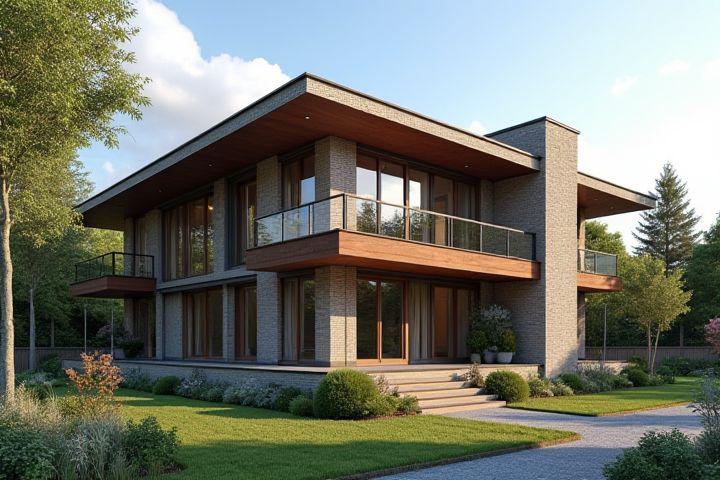
To design a custom house, begin by identifying your specific needs and preferences, including the number of bedrooms, bathrooms, and living spaces you desire. Consider the architectural style that resonates with you, such as contemporary, traditional, or minimalist, which will influence the overall look and feel of your home. Utilize design software or enlist an architect to create detailed blueprints, incorporating elements like energy efficiency, natural lighting, and sustainability features like solar panels. Pay attention to the landscape and site orientation to optimize views and airflow, ensuring a harmonious connection between indoor and outdoor spaces. Finally, ensure compliance with local building codes and zoning regulations to streamline the approval process and bring your vision to life.
How To Design A Custom House
Set a budget
Setting a budget for designing your custom house is crucial for ensuring that your vision aligns with financial feasibility. Begin by determining your overall budget, which should encompass land acquisition, construction costs, permits, and unexpected expenses, ideally setting aside 10-20% for contingencies. Research local market rates to estimate the cost per square foot; for example, custom homes can range from $100 to $400 per square foot depending on your location and materials used. To make informed decisions, prioritize your must-have features and consider how they fit within your budget, enabling you to create a dream home without overspending.
Choose the right location
Selecting the ideal location for your custom house is crucial, as it influences both lifestyle and property value. Prioritize proximity to essential amenities such as schools, hospitals, shopping centers, and public transportation, ensuring convenience for you and your family. Consider the natural surroundings, including views, topography, and climate, which can enhance your living experience and energy efficiency. Assess local regulations and zoning laws, as understanding these will help you avoid potential issues related to building permits and land use.
Understand local zoning laws
Understanding local zoning laws is essential when designing a custom house, as these regulations dictate land use, building height, and setbacks. Research your area's zoning classification to ensure compliance with restrictions on residential development, density, and permissible building types. Engaging with local authorities or zoning boards can provide clarity on any specific requirements or variances you might need to consider. By staying informed about these laws, you can creatively customize your home while adhering to legal frameworks, ultimately enhancing property value and community harmony.
Plan for future needs
Designing a custom house requires careful consideration of your future needs, such as potential family growth, changing lifestyle preferences, and accessibility. Including flexible spaces, like a versatile room that can serve as a home office or guest room, allows for adaptability as your circumstances evolve. Incorporating smart home technologies and energy-efficient systems not only enhances comfort but also reduces long-term costs and environmental impact. Planning for future renovations or expansions in the architectural layout can save you time and resources, making your home truly sustainable and functional over the years.
Prioritize functionality
Begin by evaluating your lifestyle needs, considering factors such as family size, hobbies, and daily routines to inform your design decisions. Prioritize open floor plans that promote seamless flow between the kitchen, dining, and living areas, enhancing everyday functionality and encouraging interaction. Incorporate ample storage solutions throughout the house, such as built-in shelving, under-stair compartments, and multi-functional furniture, to keep clutter at bay. Don't forget to position windows strategically to optimize natural light, ensuring comfort and a welcoming atmosphere that makes your living spaces more enjoyable.
Select an architectural style
Selecting an architectural style is a crucial first step in designing a custom house that reflects your personal taste and complements the surrounding environment. Popular styles include Modern, Colonial, Craftsman, and Mediterranean, each offering unique characteristics such as rooflines, materials, and decorative elements. Consider how your chosen style integrates with local climate and geography, enhancing both aesthetics and energy efficiency. This thoughtful selection not only shapes the visual appeal of your home but also influences functionality and resale value.
Optimize energy efficiency
Incorporating energy-efficient materials such as high-performance insulation, triple-glazed windows, and energy-efficient HVAC systems can significantly reduce energy consumption in your custom house design. Consider integrating renewable energy sources, like solar panels, which can produce approximately 300 kWh per month for an average-sized home, resulting in long-term savings on utility bills. Positioning your house to maximize natural light and ventilation not only enhances indoor comfort but can reduce the need for artificial lighting and cooling by up to 30%. Additionally, opting for ENERGY STAR-rated appliances ensures that your energy use remains minimal while maintaining high performance and reliability.
Consider natural lighting
Incorporating natural lighting into your custom house design enhances both aesthetics and energy efficiency. Large windows, skylights, and strategically placed openings can flood your living spaces with sunlight, reducing the need for artificial lighting during the day. Orienting your home to maximize exposure to the sun's path not only brightens interiors but also promotes warmth in colder months. Consider using light-colored walls and reflective surfaces to amplify natural light, creating a vibrant and inviting atmosphere throughout your home.
Plan for storage solutions
When designing a custom house, prioritize innovative storage solutions to maximize space efficiency. Consider integrating built-in cabinetry, such as floor-to-ceiling shelving or multifunctional furniture like storage ottomans and beds with drawers. Utilize underutilized areas, such as the under-stairs space or vertical wall space, by installing custom shelving units or pegboards for organized access. Ensuring strategic placement of closets and utilizing every nook can dramatically enhance your home's functionality and aesthetic appeal.
Work with experienced professionals
Working with experienced professionals is crucial for designing a custom house that meets your specific needs and preferences. Hiring an architect with a robust portfolio can help you achieve a functional layout that maximizes space and incorporates modern design trends. Collaborating with reputable contractors ensures that quality materials are used, which can contribute to long-term durability and aesthetic appeal. Finally, engaging with interior designers can enhance your living experience by creating cohesive and stylish interiors that reflect your personal taste.