
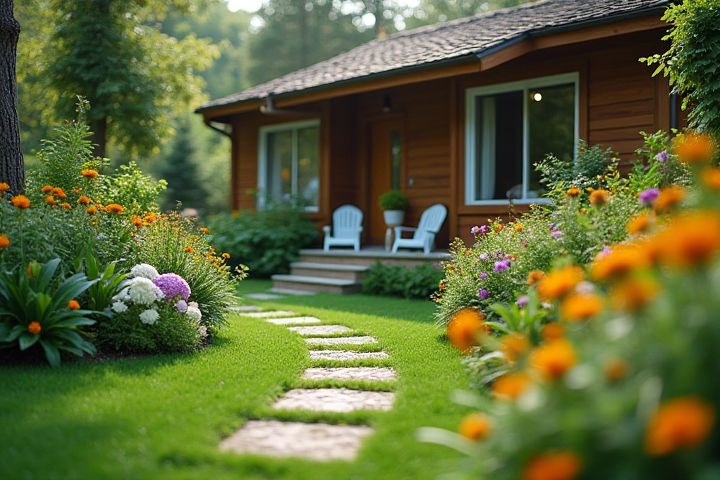
To design a house garden, start by assessing your available space and sunlight exposure. Choose plants that thrive in your climate zone, ensuring a blend of perennials for long-term beauty and annuals for seasonal color. Incorporate functional elements like pathways and seating areas to enhance accessibility and enjoyment. Consider including various textures and heights with a mix of shrubs, flowers, and decorative grasses for visual interest. Finally, add garden accessories such as trellises or water features to create focal points that reflect your personal style.
How To Design A House Garden
Define the garden's purpose
Defining the garden's purpose is crucial to creating an effective plan, whether it's for relaxation, growing vegetables, or attracting wildlife. For a relaxation garden, consider incorporating elements like a tranquil water feature and comfortable seating, which can enhance your outdoor experience. If your aim is to grow vegetables, allocate at least 10% of your yard to raised beds, ensuring optimal sunlight exposure and easy maintenance. For wildlife attraction, select native plants that provide food and habitat, as they can thrive in your local climate and encourage biodiversity.
Assess sunlight and shade patterns
Assessing sunlight and shade patterns is crucial for designing a successful home garden. Spend time observing the garden area throughout the day; note that areas receiving full sun (at least 6 hours of sunlight) are ideal for sun-loving plants, while shaded zones (less than 3 hours) may require shade-tolerant species. Consider utilizing tools like a sun calculator to get precise measurements of sun exposure, which helps in selecting the right plants for each zone. By strategically placing plants according to their light needs, you can create a vibrant garden that flourishes all year round.
Choose a suitable garden style
Choosing a suitable garden style is essential for creating a harmonious outdoor space that reflects your personal taste and complements your home. Consider exploring popular styles such as cottage gardens, which emphasize a lush, informal layout with a mix of flowers and herbs, or modern gardens that focus on clean lines, minimalism, and strategically placed greenery. Native plant gardens can significantly reduce maintenance and attract local wildlife, enhancing biodiversity in your area. To create a cohesive design, align your garden style with architectural features of your house and select plant species that thrive in your climate zone, ensuring a vibrant and sustainable garden year-round.
Plan pathways and access
Plan pathways in your house garden by considering a layout that ensures easy navigation and accessibility. Utilize durable materials such as stone or gravel for pathways that withstand weather conditions while enhancing aesthetics. Create clear access points to essential features, like seating areas, plant beds, and water features, ensuring they are no more than 20 feet apart to maintain convenience. Incorporating a width of at least 3 feet for pathways allows for comfortable movement, suitable for both you and garden maintenance equipment.
Select climate-appropriate plants
Selecting climate-appropriate plants is essential for a thriving house garden. Begin by researching the USDA Plant Hardiness Zone for your location, which will guide you in choosing species that can withstand local temperature ranges. Focus on native plants, as they are adapted to the regional climate and require less maintenance, water, and fertilizer. Incorporate drought-resistant varieties for arid climates or select moisture-loving plants if you live in a wetter area, ensuring your garden flourishes while minimizing resource use.
Incorporate focal points
Incorporating focal points in your house garden enhances its visual appeal and creates a structured design. Consider using elements such as sculptures, water features, or vibrant flower beds as central attractions that draw the eye. Strategically place seating areas or paths to guide visitors toward these focal points, encouraging exploration and interaction. By selecting diverse plant species and varying heights around these features, you can create a dynamic landscape that transforms with the seasons.
Ensure proper drainage
When designing a house garden, it's essential to ensure proper drainage to prevent waterlogging and promote healthy plant growth. Start by assessing the soil type; sandy soils drain better than clay soils, which may require amendments like organic matter to improve drainage. Incorporate features such as raised beds or sloped planting areas to encourage water runoff and install drainage pipes or gravel trenches to redirect excess water away from the garden. Consider using plants that are tolerant of varying moisture levels to create resilience in your garden, ensuring that it thrives even during heavy rainfall or extended dry spells.
Plan for seasonal changes
To create a house garden that thrives throughout the year, select a variety of perennial and annual plants that showcase seasonal colors and textures. Incorporate evergreens for winter interest, while deciduous plants can provide vibrant fall foliage. Implement a rotating planting scheme to ensure blooms in spring and summer, enhancing visual appeal during warm months. Utilize mulch and proper irrigation methods to maintain soil health and moisture levels, adapting your garden to seasonal changes effectively.
Balance color and texture
To design a house garden that emphasizes balance in color and texture, start by selecting a harmonious palette that includes both cool and warm hues, such as blues, greens, yellows, and reds. Incorporate plants with varying textures, such as the softness of ornamental grasses, the roughness of stone paths, and the smoothness of large-leaved shrubs, to create visual interest. Layer plants by height and form, placing taller varieties like sunflowers or hollyhocks towards the back and shorter ones like marigolds or petunias in the front to ensure depth. Consider incorporating elements like decorative stones, wooden benches, or water features to enhance the tactile experience and further achieve a cohesive, balanced appearance throughout your garden.
Include sustainable practices
Incorporating sustainable practices into your house garden can significantly enhance its environmental benefits while promoting biodiversity. Start by selecting native plants, which require less water and maintenance, and can support local wildlife; consider including at least 70% native species. Implementing a rainwater harvesting system can reduce water bills by up to 50%, while composting kitchen scraps can create nutrient-rich soil, reducing landfill waste by around 30%. Finally, utilize organic pest control methods, such as encouraging beneficial insects, to minimize chemical use and protect the ecosystem.