
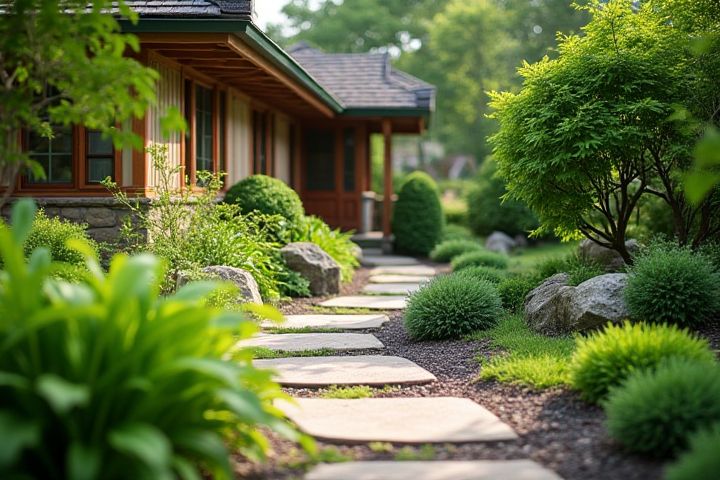
To landscape your house garden effectively, start by assessing the space and determining your garden's purpose, whether for relaxation, entertainment, or growing plants. Consider incorporating native plants that require less water and maintenance, enhancing both your garden's sustainability and aesthetic appeal. Create distinct areas using pathways made of stone or gravel, guiding visitors through various sections while adding visual interest. Incorporate seating areas with benches or outdoor furniture to encourage social gatherings and provide spots for enjoying nature. Finally, incorporate lighting elements strategically, allowing you to enjoy the beauty of your garden during the evening hours.
How To Landscape A House Garden
Site analysis
Begin by conducting a comprehensive site analysis to assess your garden's unique conditions. Measure your plot's dimensions, noting exposure to sunlight and prevailing winds, as these elements significantly influence plant selection. Observe soil quality through a simple test to determine pH levels and texture, which will guide you in choosing appropriate plants and amendments. Lastly, take note of existing structures and natural features, as these will inform your overall design by identifying focal points, potential shade areas, and drainage patterns.
Soil quality assessment
Assessing soil quality in your garden is crucial for successful landscaping, as it directly impacts plant health and growth. Start by collecting soil samples from various spots across your garden, ensuring a mix of topsoil and subsoil, aiming for at least 10 samples to obtain an accurate representation. Test the samples for pH, nutrient content, and organic matter percentage using a soil testing kit, which can provide results indicating the need for amendments like compost or fertilizers. Regularly monitoring soil quality, ideally every couple of years, can help you maintain optimal conditions for a flourishing garden ecosystem.
Climate considerations
When landscaping your house garden, prioritize climate considerations by selecting native plants that thrive in your region's specific temperature and rainfall patterns. Implement xeriscaping techniques, which can reduce water consumption by up to 50%, enhancing sustainability while maintaining visual appeal. Consider incorporating features like rain gardens to manage stormwater runoff effectively, improving local water quality. Lastly, explore the use of permeable paving materials to promote groundwater recharge and mitigate heat island effects, making your garden both eco-friendly and resilient.
Plant selection
Choosing the right plants for your house garden involves considering factors like climate, soil type, and sunlight exposure. For optimal results, aim for a mix of perennial and annual plants; incorporating native species can enhance biodiversity and reduce maintenance. Consider adding structure with shrubs and trees, while vibrant flowering plants can provide seasonal interest and attract pollinators. Plan for seasonal color using a combination of plants that bloom at different times, ensuring your garden remains lively year-round.
Water drainage
Effective landscape design for your house garden should prioritize water drainage to prevent flooding and promote healthy plant growth. Begin by evaluating the soil type and existing drainage patterns to identify areas prone to water accumulation. Incorporate features such as rain gardens, swales, or French drains to direct excess water away from your home and to suitable drainage areas. Selecting drought-resistant plants for lower areas and integrating permeable paving materials can further enhance water management while contributing to an aesthetically pleasing outdoor space.
Hardscape elements
Incorporating hardscape elements into your house garden can dramatically enhance its aesthetic and functional qualities. Consider using materials such as natural stone, brick, or concrete for pathways, patios, and retaining walls, which can define areas and guide foot traffic. Installing features like benches, pergolas, or fire pits not only adds visual interest but also creates inviting spaces for relaxation and gatherings. Finally, integrating lighting solutions, such as LED path lights or wall sconces, can illuminate your hardscape designs, making them both practical and visually appealing during the evening hours.
Budget planning
Budget planning for landscaping your house garden requires evaluating your available resources and setting realistic expectations. Start by defining your total budget, which can include materials, plants, and labor costs, often ranging between $500 and $5,000 depending on garden size and complexity. Prioritize essential elements like soil improvement and hardy plants, aiming to allocate roughly 30% of your budget for soil and compost, 40% for plants, and 30% for decorative features or hardscaping. To maximize your investment, consider sourcing local plants and materials, or even incorporating DIY projects, which can save you up to 50% of labor costs.
Maintenance requirements
To effectively landscape your garden while minimizing maintenance, choose native plants that require less water and are resilient to local conditions, reducing ongoing upkeep by up to 50%. Utilize mulch around flower beds to retain moisture, suppress weeds, and enhance aesthetics, needing replacement only every one to three years. Incorporate hardscaping elements like pathways or stone borders, which can lower your gardening workload significantly, as they reduce lawn areas and provide clear defined spaces. Establish an efficient irrigation system, such as drip irrigation, to ensure optimal water usage while cutting down on manual watering time by approximately 70%.
Seasonal changes
To create a vibrant garden that thrives through seasonal changes, start by selecting plants suited for your climate zone, considering their bloom times and growth cycles. Incorporate a diverse range of perennials, annuals, and shrubs that offer visual interest throughout the year, such as spring-flowering bulbs like tulips (blooming in March to May) and fall foliage plants like chrysanthemums (blooming in September to November). Utilize hardscaping elements, such as paths and patios, to provide structure, along with seasonal decor like bird feeders or planters that can adapt with the seasons. Remember to plan your garden layout with seasonal color shifts and textures in mind, ensuring a dynamic and engaging outdoor space year-round.
Sustainability practices
Incorporating sustainable practices in your house garden starts with selecting native plants, which require less water and are more resistant to local pests, reducing the need for chemical interventions. A rainwater harvesting system can be installed to collect up to 1,000 liters annually, providing an eco-friendly irrigation source. Mulching with organic materials like straw or wood chips helps retain soil moisture and suppress weeds, ensuring healthy plant growth with minimal resources. Implementing a compost system allows you to recycle kitchen scraps into nutrient-rich soil amendment, enhancing soil health while diverting waste from landfills.