
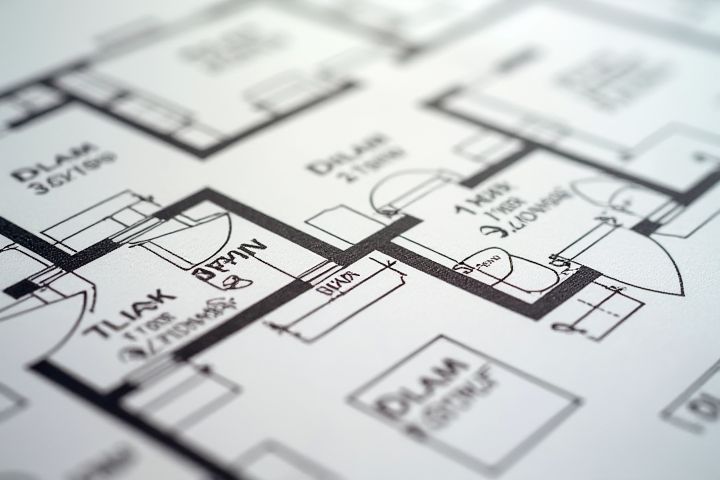
Begin by assessing your lifestyle needs, including the number of residents and their activities, to determine the required number of rooms. Sketch a preliminary layout considering key areas such as the kitchen, living room, and bedrooms, ensuring optimal flow and accessibility to vital spaces. Utilize software tools or graph paper to create a scaled version of your design, enabling precise measurements and spatial relationships. Incorporate natural light by positioning windows to enhance energy efficiency and comfort while considering privacy and outdoor views. Finally, consult with an architect or designer to refine your concept and ensure adherence to local building codes and regulations.
How To Plan A House Floor Plan
Determine Lifestyle Needs
Begin by identifying your lifestyle needs, which include the number of occupants, daily activities, and space requirements. Consider factors such as bedrooms, bathrooms, and living areas; a family of four may benefit from at least three bedrooms and two bathrooms to ensure comfort and convenience. Think about additional spaces like a home office, playroom, or entertainment area to align with your lifestyle. When mapping out your floor plan, ensure that the layout promotes flow and accessibility, creating a harmonious living environment that reflects your personal needs.
Understand Zoning and Regulations
Understanding zoning laws and regulations is crucial when planning your house floor plan. These laws dictate the height, bulk, and placement of structures on your property, often requiring a minimum setback of 5 to 10 feet from property lines. Most municipalities provide zoning maps and codes, which can be accessed online, specifying permissible land uses--residential, commercial, or mixed-use. Ensuring compliance with these regulations not only avoids costly fines but also enhances the overall value and functionality of your property.
Consider Future Growth
When planning a house floor plan, prioritize flexibility to accommodate future growth--consider incorporating at least two extra rooms for potential changes in your family structure or lifestyle. Allocate 20-30% of your total square footage for expandable areas or multi-functional spaces that can serve various purposes over time. Invest in open floor designs, which not only enhance natural light but also allow for easy reconfiguration of living spaces as your needs evolve. Ensure that utilities and infrastructure can support potential additions, which may require up to 15% of your construction budget for future-proofing enhancements.
Optimize Functional Flow
To optimize functional flow in your house floor plan, begin by identifying key areas such as the kitchen, living room, and bedrooms; ensuring efficient access to these spaces enhances usability. Consider a layout that places commonly used rooms, like the kitchen and dining area, in close proximity, ideally within a triangle shape to facilitate movement. Utilize an open floor plan to promote natural light and create versatility--research shows that homes with fewer walls typically feel more spacious and easier to navigate. Finally, incorporate traffic patterns; aim for at least a three-foot wide pathway to avoid congestion and allow for smooth transitions between rooms.
Maximize Natural Light
To maximize natural light in your house floor plan, consider placing large windows or sliding glass doors on the southern facade to capture sunlight throughout the day. Utilize open floor concepts that allow light to flow freely from room to room, incorporating high ceilings or skylights for an even brighter atmosphere. Orienting your living spaces towards outdoor views not only enhances natural light but also creates a more inviting environment. Including light-colored walls and reflective surfaces can help distribute sunlight evenly, making your space feel airy and spacious.
Define Room Relationships
To effectively define room relationships in your house floor plan, start by identifying the primary functions of each room, such as living, dining, and sleeping areas. Consider the flow of movement; for example, placing the kitchen adjacent to the dining room allows for easy meal serving. Utilize natural light by orienting windows in living spaces towards the sun's path for optimal illumination. Lastly, ensure privacy by positioning bedrooms away from high-traffic areas while maintaining accessibility to essential spaces like bathrooms.
Prioritize Privacy
To prioritize privacy in your house floor plan, consider strategically placing bedrooms and bathrooms away from common areas such as the living room and kitchen. Use soundproof materials for walls and doors, enhancing acoustics and preventing disturbances in private spaces. Incorporating landscaping, such as tall hedges or trees, can provide natural barriers, effectively shielding private areas from the street view. Finally, utilize layout techniques like L-shaped configurations to create secluded areas while maintaining an open flow in the rest of your home.
Incorporate Storage Solutions
Incorporating effective storage solutions in your house floor plan can dramatically enhance functionality; aim for a minimum of 10% of your total floor space dedicated to storage. Use vertical space by installing floor-to-ceiling cabinets, which can offer up to 50% more storage compared to standard-height units. Consider multi-purpose furniture, such as ottomans with hidden compartments or beds with drawers, to optimize room layout and maximize storage efficiency. Organizing closets with modular shelving systems can create designated areas for seasonal items, helping you maintain a clutter-free environment.
Plan for Accessibility
When planning a house floor plan with an emphasis on accessibility, prioritize a spacious layout that accommodates wheelchair mobility, allowing at least 36 inches of clear width in hallways and doorways. Consider the placement of bedrooms and bathrooms on the same level, ensuring that all essential living areas are easily accessible without encountering stairs. Incorporate features like grab bars, low-threshold showers, and lever-style door handles to enhance usability for individuals with varying levels of physical ability. Lastly, ensure your design includes appropriate lighting and clear sightlines to facilitate navigation throughout the home, making it not only welcoming but functional for everyone.
Set a Realistic Budget
Setting a realistic budget for your house floor plan is crucial to ensure your financial comfort throughout the building process. Begin by determining your budget range, ideally between 5-15% of your total property value, which includes both construction and design costs. Factor in additional expenses such as permits and interior furnishings, estimating these to be around 10-20% of your overall budget. Allocate funds wisely, keeping in mind that structural integrity and essential features should take precedence in your planning.