
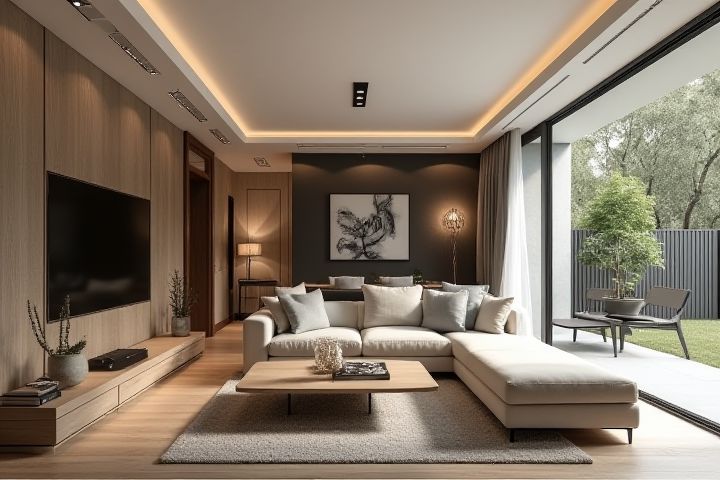
When designing a house, prioritize your lifestyle and long-term needs to create a functional living space. Consider the flow of natural light and ventilation, as both significantly impact your comfort and energy efficiency. Choose durable materials and finishes that reflect your aesthetic preferences while ensuring sustainability and maintenance ease. Pay attention to local building codes, as they dictate safety standards and zoning regulations affecting your design. Lastly, incorporate outdoor spaces, such as gardens or patios, to enhance your property's connection to nature and provide areas for relaxation and recreation.
What To Consider When Designing A House
Budget constraints
When designing a house, budget constraints play a critical role in determining the overall aesthetics and functionality. Your budget should encompass not only construction costs, averaging around $150 to $200 per square foot, but also expenses for permits, materials, and labor, which typically account for 30% to 50% of the total budget. Prioritize essential features and consider energy-efficient solutions to reduce long-term utility costs, which can save you 10% to 30% annually. Finally, allocate around 10% of your budget for unexpected expenses, ensuring financial flexibility throughout the project.
Local building codes
When designing a house, understanding and adhering to local building codes is crucial for legal compliance and safety. These codes dictate minimum standards for construction, including structural integrity, electrical wiring, plumbing, and energy efficiency, ensuring your home withstands environmental factors. Familiarize yourself with zoning regulations, which impact land use and may restrict the height or bulk of your home. By integrating local building codes into your design process, you enhance your home's value and functionality while safeguarding it against legal issues.
Environmental impact
When designing a house, consider using sustainable materials such as bamboo, reclaimed wood, or recycled steel, which minimize your environmental footprint. Incorporate energy-efficient systems, including solar panels, high-efficiency HVAC units, and LED lighting, to reduce energy consumption and lower utility bills. Design the layout to maximize natural light and ventilation, enhancing indoor air quality while reducing reliance on artificial heating and cooling. Landscape with native plants and implement rainwater harvesting strategies to promote biodiversity and conserve water resources.
Energy efficiency
When designing a house with a focus on energy efficiency, consider incorporating high-performance insulation that offers an R-value of 30 or higher for walls and 49 for attics. Utilizing energy-efficient windows that have a low U-factor of 0.3 or lower can significantly reduce heat loss. Opt for renewable energy sources, such as solar panels, which can produce an average of 300 kWh per month, lowering your dependency on conventional power. Additionally, installing ENERGY STAR-rated appliances can improve energy consumption by 10-50%, contributing to long-term savings and environmental sustainability.
Functional layout
When designing a house, prioritize a functional layout that enhances daily living experiences. Consider flow--ensure that spaces like the kitchen, dining area, and living room are easily accessible and connected for seamless interaction. Additionally, think about multifunctional spaces that can adapt to different activities, maximizing utility without sacrificing comfort. Finally, account for natural light and ventilation to foster a healthy, inviting atmosphere throughout your home.
Aesthetic appeal
When designing a house with aesthetic appeal, consider the harmony of colors, textures, and materials that align with your vision. The facade should incorporate elements like symmetry and architectural styles that resonate with your personal taste, whether it's modern, traditional, or eclectic. Landscaping plays a crucial role, utilizing plants and hardscapes to enhance the external beauty, with elements like pathways and lighting strategically placed for visual interest. Finally, paying attention to proportions, ensuring that windows and doors are appropriately scaled, significantly contributes to the overall aesthetic impact of your home.
Future resale value
Consider incorporating features that appeal to a broad audience, such as energy-efficient appliances and sustainable materials, which can increase your home's resale value. A flexible floor plan with at least three bedrooms and multiple living spaces caters to families and young professionals alike. Location plays a critical role; homes within high-demand school districts or near public transit typically sell faster and at higher prices. Lastly, staying updated with current design trends, like smart home technology or open-concept layouts, can significantly enhance your property's market appeal.
Safety standards
When designing a house, prioritizing safety standards is essential to ensure the well-being of its occupants. Key factors include adhering to building codes, which typically mandate structural integrity, fire safety measures, and electrical system compliance. You should also consider installing smoke detectors and carbon monoxide alarms, as homes with these devices can reduce related risks by over 50%. Furthermore, incorporating features like non-slip flooring, secure railings, and adequate lighting can significantly enhance personal safety within the living environment.
Technological integration
When designing a house, focus on integrating smart home technologies to enhance convenience and efficiency. Consider implementing a smart thermostat, which can lower energy bills by up to 15% and adjust temperatures based on your daily routines. Incorporating a robust home security system can reduce the likelihood of burglaries by approximately 300%, providing peace of mind. Additionally, ensure that your home's wiring and network infrastructure support high-speed internet and compatibility with future devices, maximizing the potential of current and emerging technologies.
Accessibility features
When designing a house with a focus on accessibility, ensure wider doorways of at least 32 inches to accommodate wheelchairs. Incorporate no-step entrances and ramps with a maximum slope ratio of 1:12 for safe access. Bathrooms should feature grab bars, lever-style faucets, and roll-in showers with a minimum size of 30 x 60 inches to enhance usability. Also, prioritize adjustable countertops and open floor plans to allow for easy navigation throughout your home.