
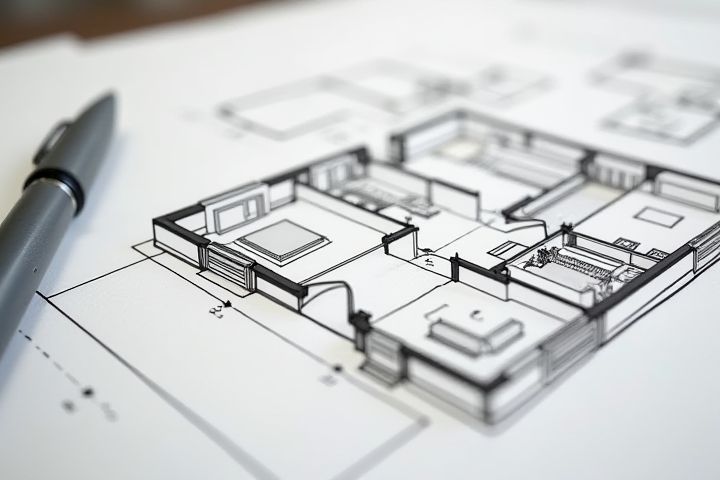
A house floor plan is typically designed by architects or home designers who specialize in residential spaces. They carefully consider factors like functionality, aesthetic appeal, and local building codes when creating a layout. Many homeowners collaborate with these professionals to customize their floor plans according to their lifestyle needs, preferences, and budget. Software such as AutoCAD or SketchUp is often employed to produce detailed floor plans, enabling 3D visualizations that help you envision your future home. In certain cases, interior designers may also contribute to optimizing the flow and space utilization within a house plan.
Who Designs A House Floor Plan
Architect
Architects specialize in designing house floor plans that harmonize aesthetics with functionality. They typically use advanced software, ensuring precise measurements and spatial arrangements that optimize light and flow. A well-crafted floor plan includes key features such as open spaces, room dimensions, and flow that cater to your lifestyle needs. According to the American Institute of Architects, a comprehensive floor plan can enhance property value by up to 15%, making it a vital aspect of residential design.
Residential Designer
A Residential Designer specializes in creating functional and aesthetically pleasing house floor plans tailored to meet the specific needs and preferences of homeowners. They possess expertise in space optimization, ensuring each room aligns with your lifestyle, while adhering to local building codes and regulations. Utilizing advanced design software, a Residential Designer can produce detailed blueprints that include dimensions, layouts, and material specifications, typically charging between $2 to $8 per square foot for their services. Collaborating closely with clients, they translate personal visions into practical designs, often resulting in custom homes that enhance daily living.
Drafter
A drafter specializes in creating detailed house floor plans that illustrate the layout and dimensions of residential spaces. Utilizing advanced design software, a drafter translates the homeowner's vision into precise blueprints, ensuring compliance with local building codes and regulations. They consider elements such as room flow, natural light, and functionality to optimize the living experience. By collaborating with architects and builders, a drafter plays a crucial role in the successful realization of your dream home.
Interior Designer
Interior designers are pivotal in crafting a functional and aesthetically pleasing house floor plan. They meticulously consider elements such as space utilization, natural light, and traffic flow to enhance livability, often employing design software for precision. A well-designed floor plan can increase property value by up to 10%, making the expertise of an interior designer invaluable. Their knowledge of color schemes, furnishings, and materials ensures that every square foot serves a purpose while aligning with your personal style.
Structural Engineer
A structural engineer is pivotal in designing a house floor plan, emphasizing load-bearing structures and overall stability. They assess materials and construction methods to ensure the integrity of beams, columns, and foundations, often resulting in designs that can withstand environmental conditions like high winds or seismic activity. By analyzing the floor plan, a structural engineer ensures that interior layouts coincide with safety regulations and efficient energy use. This expertise often leads to innovative solutions that enhance both functionality and aesthetics while prioritizing structural safety.
Landscape Architect
A landscape architect plays a crucial role in designing a house floor plan, integrating outdoor spaces with the overall aesthetic and functionality of the home. By utilizing principles of design, ecology, and environmental psychology, they create harmonious environments that enhance both the property's value and your living experience. Their expertise often involves calculating sun exposure, water drainage, and plant placement to ensure the landscape complements the architecture. In a well-designed plan, you may find features like patios, gardens, or outdoor entertainment areas that seamlessly connect with the interiors, often increasing your property's usable space by up to 30%.
Builder or Contractor
When choosing a house floor plan, a builder typically plays a crucial role in the design process, focusing on both functionality and aesthetics. Builders collaborate with architects to ensure that the layout meets building codes and maximizes the use of space. With their extensive knowledge of materials and construction techniques, builders can propose practical modifications to design plans, ultimately resulting in a cost-effective project. This partnership between builders and architects ensures that your new home not only looks good but is also structurally sound and tailored to your lifestyle.
CAD Specialist
A CAD specialist, skilled in Computer-Aided Design software, plays a pivotal role in creating detailed house floor plans. This professional utilizes precise dimensions and architectural principles to convert conceptual designs into functional layouts. Through advanced software techniques, they generate 2D and 3D visualizations, enabling clients to visualize their space effectively. Their expertise often includes knowledge of local building codes, ensuring that designs comply with regulations while maximizing space efficiency.
Building Planner
A building planner specializes in designing house floor plans by integrating functionality, aesthetics, and compliance with local building codes. They consider key factors such as the client's preferences, zoning regulations, and the site's topography, leading to efficient use of space. Employing software tools, a building planner can create detailed 2D and 3D layouts, allowing you to visualize the design before construction begins. Their expertise often results in improved energy efficiency and optimal flow between different rooms, contributing to a more comfortable living environment.
Developer
A developer typically collaborates with architects and designers to create a house floor plan that maximally utilizes space and meets zoning regulations. The process involves integrating modern amenities and efficient layouts that appeal to target buyers, with an emphasis on functionality and aesthetic appeal. For instance, a well-designed floor plan may include an open-concept living area, energy-efficient appliances, and sustainable materials, enhancing both comfort and resale value. Using targeted market research, developers can ensure that floor plans align with current housing trends, focusing on features like smart home technology and outdoor living spaces.