
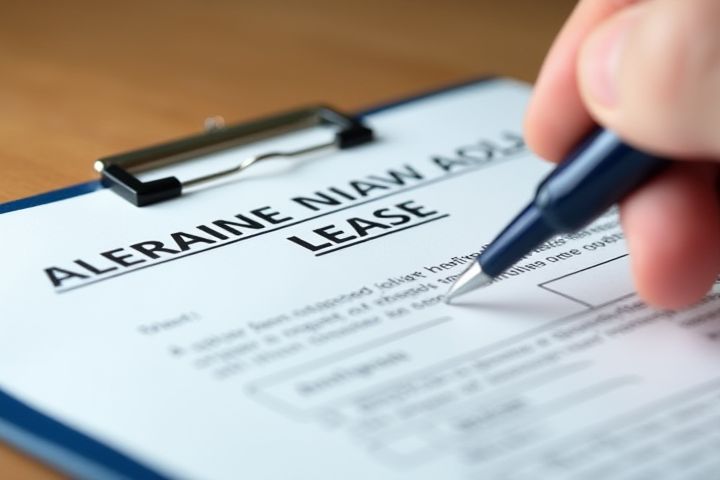
Signing a house lease agreement secures your rights as a tenant and outlines the terms of occupancy, including rental price and duration. It provides legal protection against eviction without cause, ensuring your housing stability. The lease also details responsibilities, such as maintenance and utility payments, clarifying expectations for both you and the landlord. By having a written document, you can prevent misunderstandings and disputes regarding property conditions or lease violations. Overall, a lease agreement establishes a formal relationship that safeguards your interests while renting a home.
Why Sign A House Lease Agreement
Legal protection
Signing a house lease agreement provides crucial legal protection for both tenants and landlords, ensuring clear terms and responsibilities. This document establishes your rights, such as the ability to occupy the property and request necessary repairs, while also delineating your obligations, like timely rent payments. In a dispute, the lease serves as a binding contract that can be enforced in court, safeguarding your interests. By formalizing the rental arrangement, you mitigate the risk of misunderstandings and potential financial loss.
Terms and conditions
Signing a house lease agreement is crucial as it outlines essential terms and conditions that protect both you and the landlord. The document specifies the duration of the lease, typically ranging from 6 to 12 months, ensuring security and clarity regarding your tenancy period. It also details monthly rent, security deposits--often one month's rent--and responsibilities for maintenance, allowing you to understand obligations clearly. By thoroughly understanding these terms, you safeguard your rights while establishing a mutual understanding with your landlord, which can prevent potential disputes in the future.
Financial responsibilities
Signing a house lease agreement establishes clear financial responsibilities for both tenants and landlords, helping to avoid misunderstandings. The document outlines your monthly rent amount, typically ranging from $1,000 to $3,000, along with specific payment due dates. This legally binding agreement often includes details about security deposits, which can amount to one month's rent, ensuring protection for the landlord against potential damages. Understanding these financial obligations is crucial, as failure to comply may result in penalties or eviction.
Maintenance obligations
A house lease agreement outlines vital maintenance obligations that protect both tenants and landlords. By signing this agreement, you establish clear responsibilities regarding property upkeep, including who manages repairs and routine maintenance tasks. This clarity helps prevent disputes and ensures that any necessary repairs are addressed promptly, maintaining the property's value and your comfort. Furthermore, understanding these obligations can help you make informed decisions about your living environment, ensuring a harmonious rental experience.
Security deposit details
A house lease agreement typically includes details about the security deposit, which serves as financial protection for the landlord against potential damages or unpaid rent. This upfront payment is usually equal to one month's rent and is refundable at the end of the lease term, provided the property is returned in good condition. By specifying the security deposit terms in the lease, you ensure clarity on conditions for its return, including any deductions for necessary repairs. Understanding these details helps you manage your finances and expectations while protecting your rights as a tenant.
Lease duration
A house lease agreement typically outlines a specific lease duration, which commonly ranges from 6 months to a year. Signing a lease for a defined period provides security and stability for both tenants and landlords, ensuring that you have a fixed place to live while the landlord can secure rental income. During this time, you often benefit from a predetermined monthly rate, shielding you from potential rent increases. Understanding the lease duration also enables you to plan your finances and lifestyle accordingly, ensuring a seamless transition when either renewing or moving.
Renewal options
Signing a house lease agreement with renewal options can provide significant advantages, ensuring stability in your living arrangement for an extended period. Many leases offer the opportunity to renew for an additional 12 months or more, allowing you to remain in a desirable location without the hassle of searching for a new home. This option often includes predefined rent increases, protecting you from sudden spikes in rental prices. By securing a lease renewal, you can effectively plan your budget and avoid potential relocation costs, enhancing your overall peace of mind.
Termination clauses
A house lease agreement is crucial for outlining both parties' responsibilities and rights, particularly regarding termination clauses. These clauses specify the conditions under which either the landlord or tenant can end the lease, typically requiring a written notice period of 30 to 60 days. For example, if unexpected circumstances arise, such as job relocation or health issues, knowing the precise steps to terminate the lease can save you from financial penalties. Ensuring that these termination terms are clearly defined protects your interests and provides peace of mind throughout your rental experience.
Dispute resolution
Signing a house lease agreement is crucial for clearly outlining the process for dispute resolution, which can save you time and money. Such agreements typically include specific clauses that detail how disagreements regarding rent, maintenance responsibilities, or property damages will be managed, often incorporating mediation or arbitration processes. This provides you with a structured framework to resolve issues without resorting to costly legal actions, ultimately protecting your rights as a tenant. By having a legally binding document in place, you ensure that both parties adhere to agreed-upon procedures, fostering a more harmonious living arrangement.
Restrictions and permissions
Signing a house lease agreement establishes clear restrictions and permissions that protect both the tenant and landlord. This legally binding document typically outlines restrictions on alterations to the property, such as painting walls or making structural changes, ensuring that the home's integrity is maintained. Permissions granted within the lease may include rules regarding pets, subletting, or using communal spaces, which help to foster a harmonious living environment. By understanding these specific terms, you can avoid potential conflicts and ensure that your rights and responsibilities are well-defined throughout the rental period.